Yonezawa Gyu is not a volume brand. It is a GI-protected, heifer-only Wagyu from a single basin in Yamagata, finished for a minimum of 33 months. For a kitchen, that combination means two things: a genuinely distinctive product, and a supply line that rewards planning.
The specification
Yonezawa Gyu is protected under Japan’s Geographical Indication system. The name is legally restricted to carcasses meeting every one of the following:
| Breed | Japanese Black (Kuroge Washu) |
| Sex | Heifer, never calved |
| Region | Okitama region, Yamagata Prefecture |
| Finishing age | 33 months minimum |
| Grade | Meat Quality 3 or above |
| Certification | Official Yonezawa brand system |
The heifer-only rule is the one most often overlooked. It removes a major source of variability between carcasses, which is why consistency across deliveries is unusually good for a brand of this size.
Why 33 months changes the product
The standard was 32 months until 2023, when the brand raised it to 33 of its own accord. Each additional month on feed adds cost and carries risk for the producer, so the change was a deliberate quality decision rather than a marketing one.
On the plate it shows up as finer marbling structure, softer fat, more developed flavour and a silkier bite. On the invoice it shows up as scarcity. Longer finishing means fewer animals through the system per year, and allocations are limited accordingly.
Terroir and feed
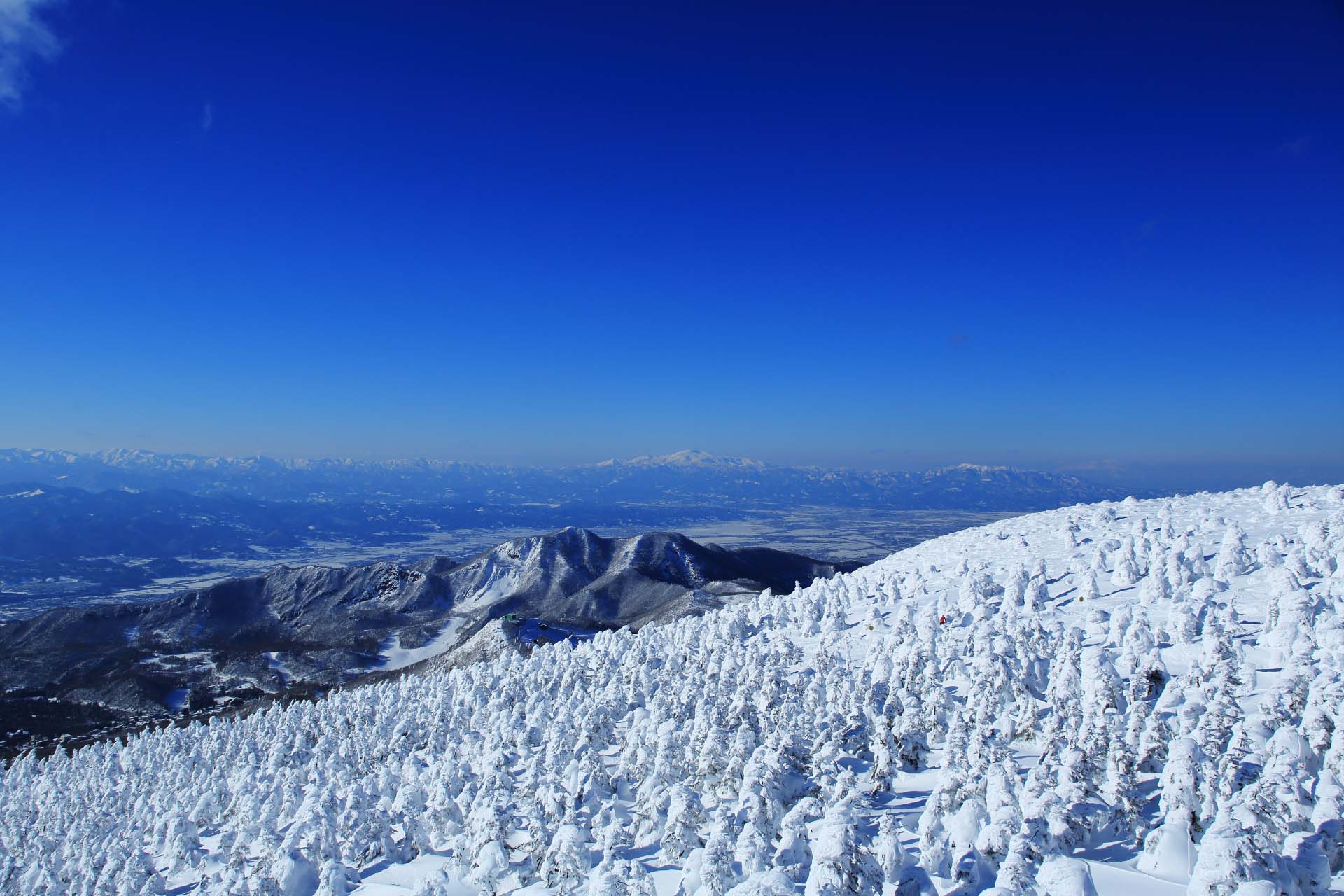
The Okitama basin runs from below −15°C in winter to hot, humid summers. That seasonal swing is widely credited with the brand’s marbling development and flavour depth. Feeding regimes differ by farm but share a traditional base of locally grown rice straw, barley, soybean meal, wheat bran and blended concentrates — the local rice straw in particular being a long-standing regional signature.
Kitchen characteristics
| Marbling | ★★★★★ |
| Fat quality | Extremely fine, low melting point |
| Sweetness | Very high |
| Beef flavour | Elegant rather than bold |
| Texture | Silky |
| Finish | Clean, melts quickly |
Application notes
The low melting point of the fat is the operational detail that matters most. Yonezawa rewards controlled heat and punishes aggressive searing — hard charring renders out precisely the quality the customer is paying for.
- Sukiyaki and shabu-shabu — the clearest showcase; thin slicing lets the fat do the work.
- Steak — moderate heat, short rest, smaller portion weights than a grain-fed equivalent.
- Yakiniku — excellent, provided grill temperature is controlled.
- Tataki — suitable with the appropriate cuts.
Because it satisfies quickly, portion sizing can be reduced without the guest feeling short-changed. That is worth modelling into menu costing before pricing a Yonezawa dish against a leaner Wagyu.
Positioning against our other Wagyu programmes
| Brand | Character |
|---|---|
| Yonezawa Gyu | Elegant, refined, silky, historic |
| Marble King | Powerful Wagyu flavour, rich Australian Full Blood marbling |
| Omino Wagyu | Clean, balanced sweetness from Omi × Angus genetics |
| WAO Kumamoto | Rich flavour with volcanic terroir influence |
| Awa Kuroushi | Excellent value with balanced marbling from F1 breeding |
Where a Full Blood Australian programme gives you power and consistency at scale, Yonezawa gives you provenance and refinement. It is a listing that earns its place on a menu through story and finesse rather than sheer intensity.
Heritage worth putting on the menu
The tradition dates to the early Meiji era, when Charles Henry Dallas, an English teacher posted to Yonezawa, brought beef from Yamagata back to Yokohama; the foreign community there recognised its quality immediately. More than 150 years later the region still supplies high-end Japanese dining, and its Gyunikudomannaka beef bento remains one of Japan’s best-known railway ekiben.
Available formats
- Yonezawa Gyu A5 Ribeye
- Yonezawa Gyu A5 Striploin
- Yonezawa Gyu A5 Tenderloin
- Yonezawa Gyu A5 Rib Cap
- Yonezawa Gyu A5 Striploin End Cut
Allocations are limited and move seasonally. Talk to your Foodsmiths account contact before building Yonezawa into a fixed menu.